Gratitude and Teshuva
Lessons learned on the Green River

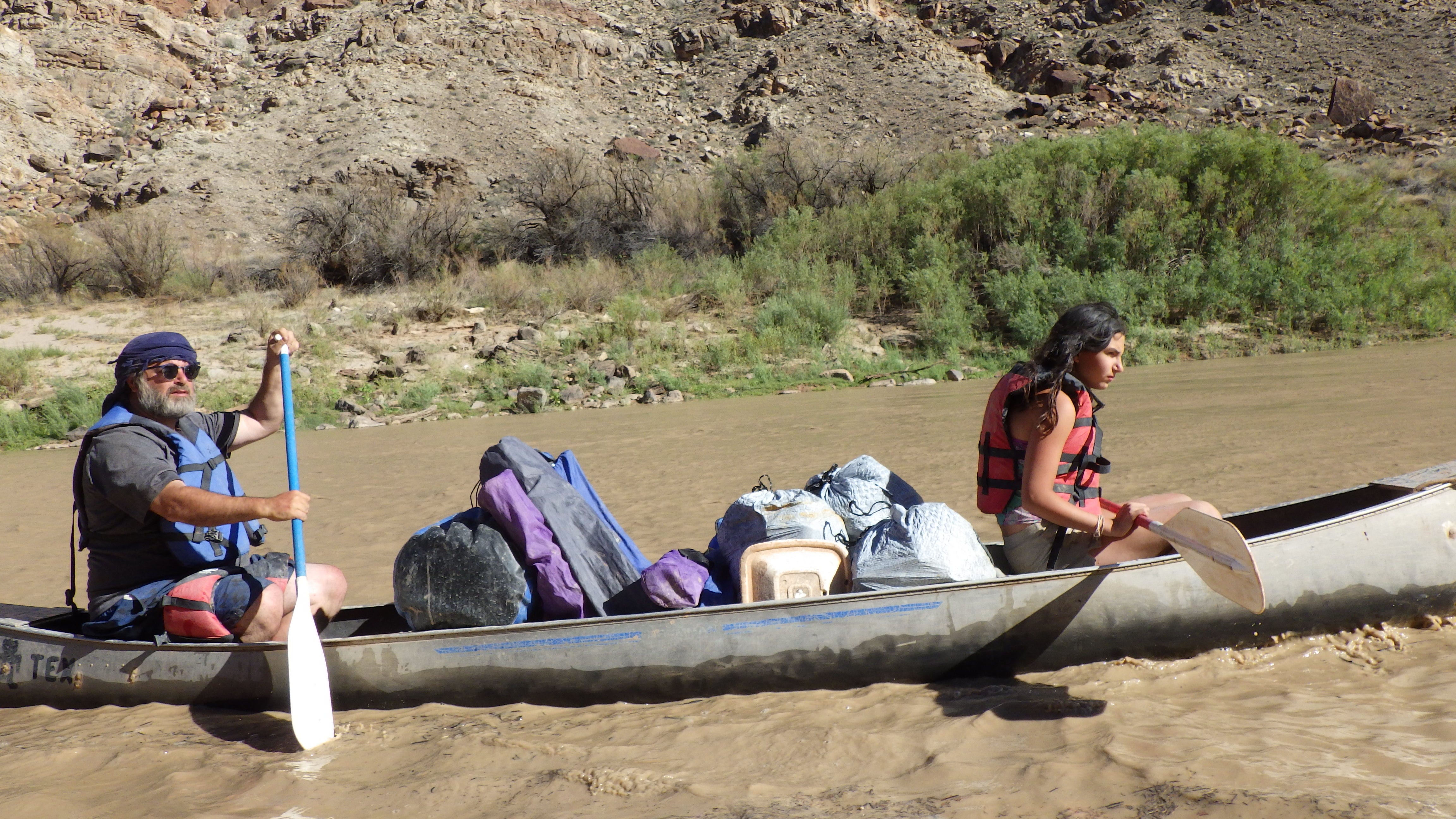
In the month of Elul, 2021, my students gave me the gift of a week on the Green River in Utah, under the guidance of my friend and student R’ Eli Herb.
It was a wonderful experience, and one of the ripples of that experience was that I wrote a short booklet of reflections on Teshuvah that I had learned on, and from the river.
I offer here one section on gratitude that I have translated into English in honor of Thanksgiving.
Much love and much thanksgiving to all.


There is a difference between hiking on a trail through the wilderness and traveling by canoe on a river.
Walking on a trail is an experience of self-sufficiency. You move yourself, and you can decide which direction you will travel on the trail. The trail itself does not seem to care whether you use it to hike east or west, or whether you are going away or coming home.
Traveling on a river is a totally different experience. The river asserts its will as soon as you enter it. It pushes you to go down river with the flow of the water and not against it. And even when you go down-river, you must stay attentive to the changing desires of the water – now they are deep and swift-moving, and now they slow to a crawl. And when the river turns right or left, you must notice that the water speeds up on the outside of the curve and slows down on the inside, otherwise, you will end up grounded, or in the water.
The Mishnah in Pirkei Avot (2:6) teaches that a call comes out of mount Sinai every day, rebuking people for the way they treat Torah.
Now the holy Baal Shem Tov asked (Keter Shem Tov, 1:113-114) – what good does this call do if nobody hears it? And he answers that even if we do not hear it with our ears, we hear it in our hearts, and those are the pangs of conscience that people experience. The Baal Shem Tov’s answer is deep and meaningful in that it allows us to think of conscience not only as an internal conversation with ourselves, but rather as God calling out to her children to reconnect. Who can say anything after such an answer, and certainly I am not worthy of walking in his footsteps, still, with appropriate humility, I will offer another thought on this question.
There are moments we are tempted to say – the road is open before me and I can follow it to wherever I want, I will create my reality with my choices.
But this is always only somewhat true, as the world we live in is not a road… It is rather a river, and if you are not attentive to the flow of the river, its powerful streams will wash you away. It is in listening to the flow of life’s stream that you can hear the voice calling you to return.
The first step of listening is paying attention to the powers and gifts you have received, that speed you along the way, though you have done nothing to deserve them. Someone took care of you when you were a helpless baby, fed you and put a roof over your head, and perhaps even more than that. You received wisdom from teachers and friends, and you were born with gifts and tendencies of one kind or the other.
Certainly, there were challenges and setbacks that you overcame, but the foundations for that power you received as gifts. To one degree or another we all live in the land described in the book of Devarim – “houses full of all good things that you did not fill, hewn cisterns that you did not hew, vineyards and olive groves that you did not plant” (Devarim 6:11 JPS).
To live with that awareness, responding with gratitude and appreciation, to live and make choices based on this gratitude and awareness is to move with the flow of life.
The gifts and the challenges that you have received in the past and that you continue to receive every day are the flow of the river. Its murmurs, crashes and splashes are the voice calling you back to yourself, your soul, and your God.
It is useful to connect to gratitude every day. This will help open your ears, eyes and heart to notice the love coming your direction today, which will help you know how to row your boat.